




Frozen yogurt vs Soft Serve: what’s the difference?
Frozen yogurt and ice cream are both beloved frozen treats, but they differ significantly in terms of ingredients, texture, nutritional profile, and equipment requirements. For businesses looking to serve one or both, understanding these distinctions is crucial to choosing the right dessert offering and the most suitable machinery. Here’s a detailed comparison to help you make an informed decision.
Ingredient comparison
The primary difference between frozen yogurt and ice cream lies in their base ingredients and production process.
- Ice cream is made from cream, milk, sugar and the flavour part. The mixture is churned while freezing to incorporate air, resulting in a rich, creamy consistency.
- Frozen yogurt, by contrast, uses yogurt instead of milk. It typically includes live active cultures, which contribute to its tangy flavour and may offer probiotic benefits.
Because frozen yogurt uses less fat, higher protein content and often includes yogurt cultures, it is often positioned as a lighter alternative to traditional ice cream.
Moreover, businesses can choose to use ready-to-mix powdered bases or pre-mixed liquid solutions, both of which impact taste, texture, and operational handling. For frozen yogurt, formulations with stabilisers and emulsifiers help maintain smoothness.
Texture and nutritional differences
In terms of mouthfeel and nutrition:
- Soft Serve tends to be denser, less overrun due to its higher fat content.
- Frozen yogurt is usually lighter, depending on the type of yogurt used, the sugar and protein content.
From a nutritional standpoint, frozen yogurt generally contains less fat than ice cream, though it may have a similar or slightly higher sugar content, depending on the formulation. It can also appeal to customers seeking digestive health benefits from yogurt cultures.
Machine differences: GT range vs KARMA
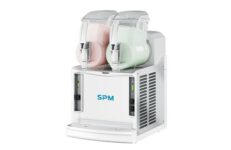
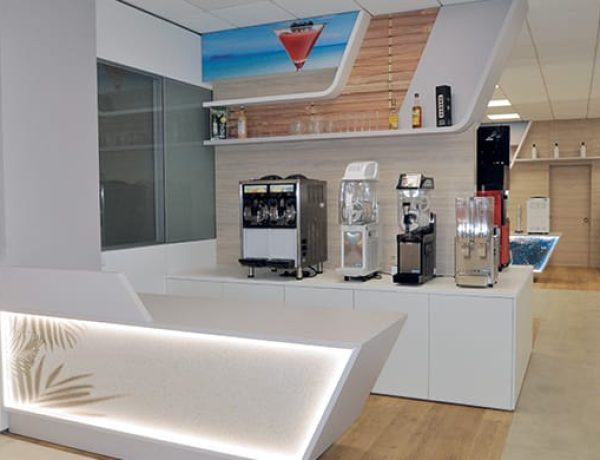
SPM machines for frozen desserts are versatile by design: whether it’s frozen yogurt, soft serve ice cream, sorbets, or granitas, both the GT and KARMA ranges ensure consistent results and reliable performance. The key differences lie in capacity, footprint, and the type of controls each machine offers.
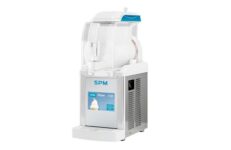
GT Range (TOUCH and PUSH)
Compact and flexible, ideal for operators who want to maximise variety within limited counter space.
- GT TOUCH includes an intuitive touch display and smart controls, allowing users to preset recipes, adjust temperature and speed, and easily expand their menu with up to five frozen products.
- GT PUSH offers a more straightforward approach, with manual temperature adjustment (–3 °C to –8 °C) and a push-button boost function for faster serving. It’s compact, robust, and particularly effective for powder mixes or ready-to-use blends.
Both GT PUSH and GT TOUCH are equipped with the patented I-Tank™ insulated bowl system, which reduces energy consumption and helps maintain consistent texture—even in environments with variable ambient temperatures.
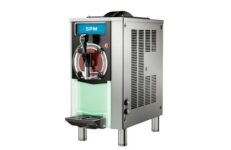
KARMA Range (Pump-fed and Gravity-fed)
Designed for higher throughput, with a dispensing capacity of up to 120 cones per hour.
- Pump-fed models allow greater overrun, incorporating more air into the mix for a lighter, creamier product.
- Gravity-fed models are easier to manage and clean, making them a practical solution for operators who prioritise simplicity without compromising quality.
Choosing the right dessert for your offering
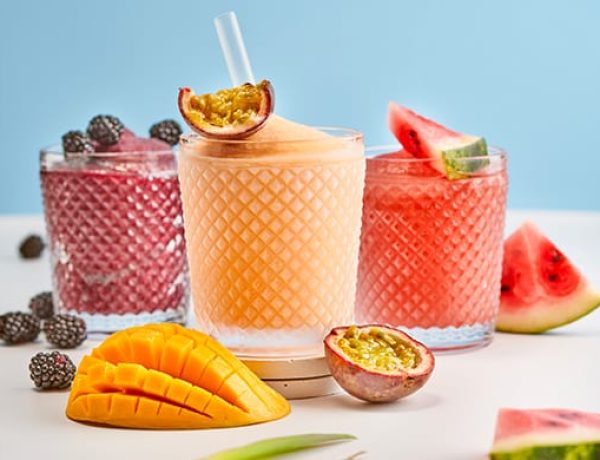
Frozen yogurt may also be a more strategic option for establishments looking to diversify menus with products that can be flavoured or topped more creatively—especially when paired with versatile equipment like the GT TOUCH. Toppings such as fresh fruit, granola, syrups, or nuts are often more associated with frozen yogurt than ice cream, offering more upselling opportunities and a sense of customisation for customers.
Lastly, seasonal variation plays a role: frozen yogurt may be more popular in warmer months or in wellness-oriented venues, while ice cream remains a classic indulgence with year-round appeal.
By understanding the key differences between frozen yogurt and ice cream, and matching the right dessert to the right equipment, your business can better meet customer expectations, optimise workflow, and enhance menu profitability.
Want to know more about
our products?
For any support or information, do not hesitate to contact us!