









Granita vs sorbet: what’s the difference and how to make each
Frozen desserts like granita and sorbet are increasingly popular on menus, especially during the warmer months. Light, refreshing, and highly customisable, they appeal to a wide audience looking for dairy-free and fruity alternatives to traditional ice cream. But while granita and sorbet may seem similar at first glance, they differ significantly in terms of ingredients, texture, and preparation.
Understanding these distinctions is key to choosing the right product for your business—whether you’re a café looking to diversify your summer menu or a bar aiming to serve elegant frozen treats.
What is granita?
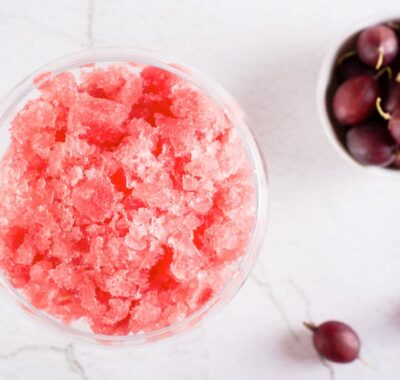
Granita is a semi-frozen dessert that originated in Sicily and has become a staple of Italian summertime refreshment. Made primarily from water, sugar, and flavouring (typically fruit juice or coffee), granita has a coarse, crystalline texture that sets it apart from other frozen desserts.
The preparation method plays a central role in defining granita’s texture. Traditionally, the mixture is frozen and scraped periodically to create large ice crystals. In commercial settings, machines replicate this manual process while maintaining optimal consistency and hygiene.
Typical ingredients
- Water
- Sugar
- Fruit purée or juice (e.g. lemon, strawberry, coffee)
Popular uses
- Served in cups or glasses as a refreshing dessert
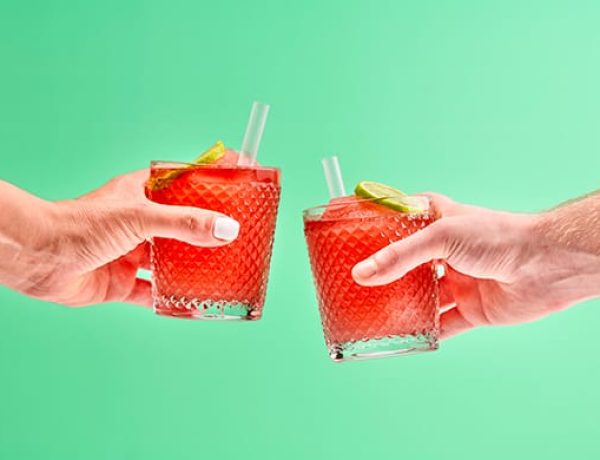
- Used in cocktails or layered frozen beverages
- Paired with whipped cream or brioche for regional Italian variations
What is sorbet?
Sorbet is a smoother, denser frozen dessert made from fruit purée or juice, sugar, and often stabilisers. Unlike granita, sorbet has a soft and creamy consistency thanks to the incorporation of air during churning.
Although sorbet is also dairy-free, its texture is closer to ice cream due to the smaller ice crystals formed during preparation. It requires more precise control of ingredients and machine settings to avoid crystallisation or excessive hardness.
Typical ingredients
- Fruit purée or juice
- Sugar or glucose syrup
- Optional: lemon juice, stabilisers
Popular uses
- Served in dessert bowls or cones
- Used as a palate cleanser between courses
- Featured in fine dining menus or as a lighter alternative to ice cream
Granita vs sorbet: texture, ingredients, and method
Here’s a direct comparison of the two desserts across the main preparation and sensory dimensions.
| Feature | Granita | Sorbet |
|---|---|---|
| Texture | Coarse and crystalline | Smooth, soft, and creamy |
| Preparation method | Freezing + periodic scraping | Churning during freezing |
| Typical serving temp | Slightly slushy (not fully frozen) | Firm and scoopable |
| Main ingredients | Water + sugar + flavour | Fruit purée + sugar + stabilisers |
| Air incorporation | Low (little to no overrun) | Medium (moderate overrun) |
| Mouthfeel | Crunchy and refreshing | Dense and silky |
| Equipment needed | Granita machine | Sorbet machine or gelato machine |
Equipment considerations
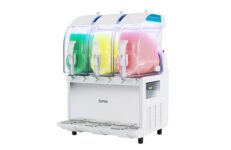
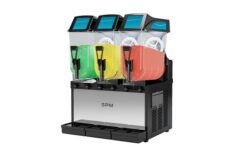
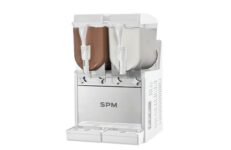
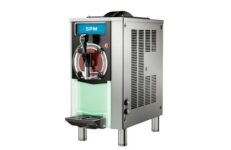
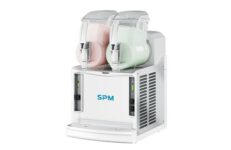
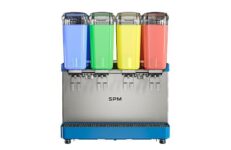
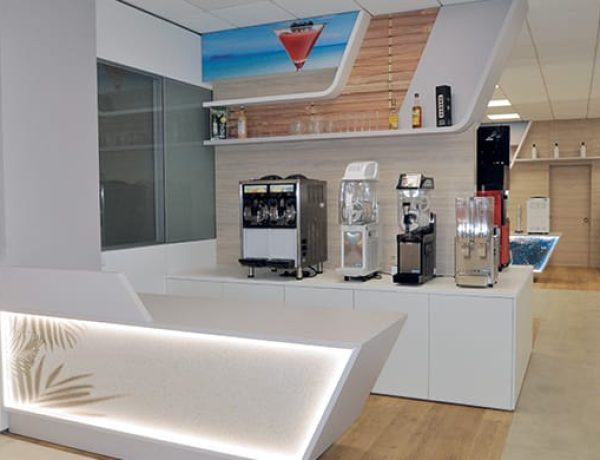
To achieve the ideal consistency and output, choosing the right equipment is essential. SPM offers a wide range of granita and sorbet machines suited to different production volumes and formats.
- SORBY: the entry-level option, ideal for low-volume businesses or seasonal demand.
- SP: a compact machine with more advanced control, suitable for cafés or kiosks.
- NINA: great for countertop service and rotating small batches of premium flavours.
The main difference among these models lies in the tank capacity and intended use scenario, allowing operators to tailor their choice based on available space and demand.
Choosing the right dessert for your business
When deciding between granita and sorbet, consider the following.
Menu and customer expectations
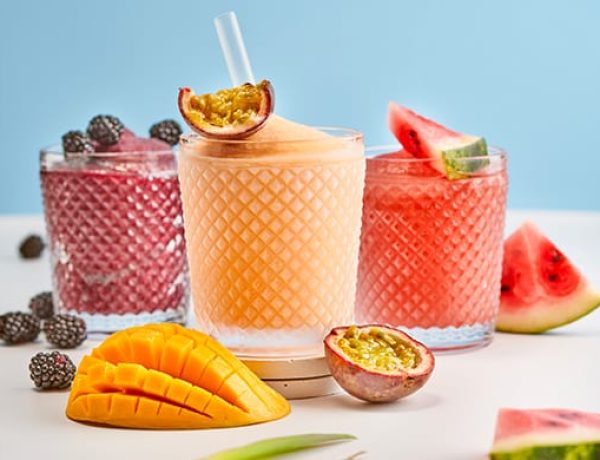
Granita is ideal for casual menus, summer pop-ups, or beachside venues where refreshment and speed are key. Its icier texture and visual appeal—especially when served in transparent cups—make it a popular impulse choice.
Sorbet, on the other hand, fits well in more refined settings where texture and taste complexity are essential. It can also be incorporated into plated desserts or gourmet experiences.
Storage and service
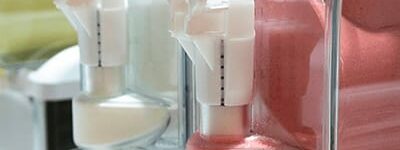
Granita can be stored and served directly from granita machines, which continuously agitate and chill the mixture. This makes it suitable for continuous dispensing throughout the day.
Sorbet typically requires freezing and scooping, with a shorter service window unless maintained in specialised freezers. It may be less practical for venues with limited freezer space or fast-paced turnover.
Ingredient sourcing and prep
Granita recipes are simple, often requiring only three ingredients and minimal prep. Sorbet usually demands a higher fruit content, blending, and more precise ingredient control. For businesses looking for minimal waste and quick turnaround, granita is a lower-effort solution.
While both granita and sorbet offer fresh, fruity appeal, their textures, preparation methods, and equipment needs make them distinct products. If your goal is quick service and maximum refreshment, granita might be the ideal solution. For businesses focused on premium presentation and smooth consistency, sorbet delivers a more elevated dessert experience.
Whatever your choice, SPM’s professional equipment—backed by Italian design and performance—ensures your frozen creations are consistently top-quality and easy to manage.
Want to know more about
our products?
For any support or information, do not hesitate to contact us!